Global News

Quick energy hack called Nappuccino

a popular energy hack that combines consuming a dose of caffeine with immediately taking a short 15-to-20-minute power nap. Instead of choosing between a quick nap or a cup of coffee to beat the afternoon slump, the napuccino pairs both to exploit a quirk in human brain chemistry for a double boost of alertness.


Global News

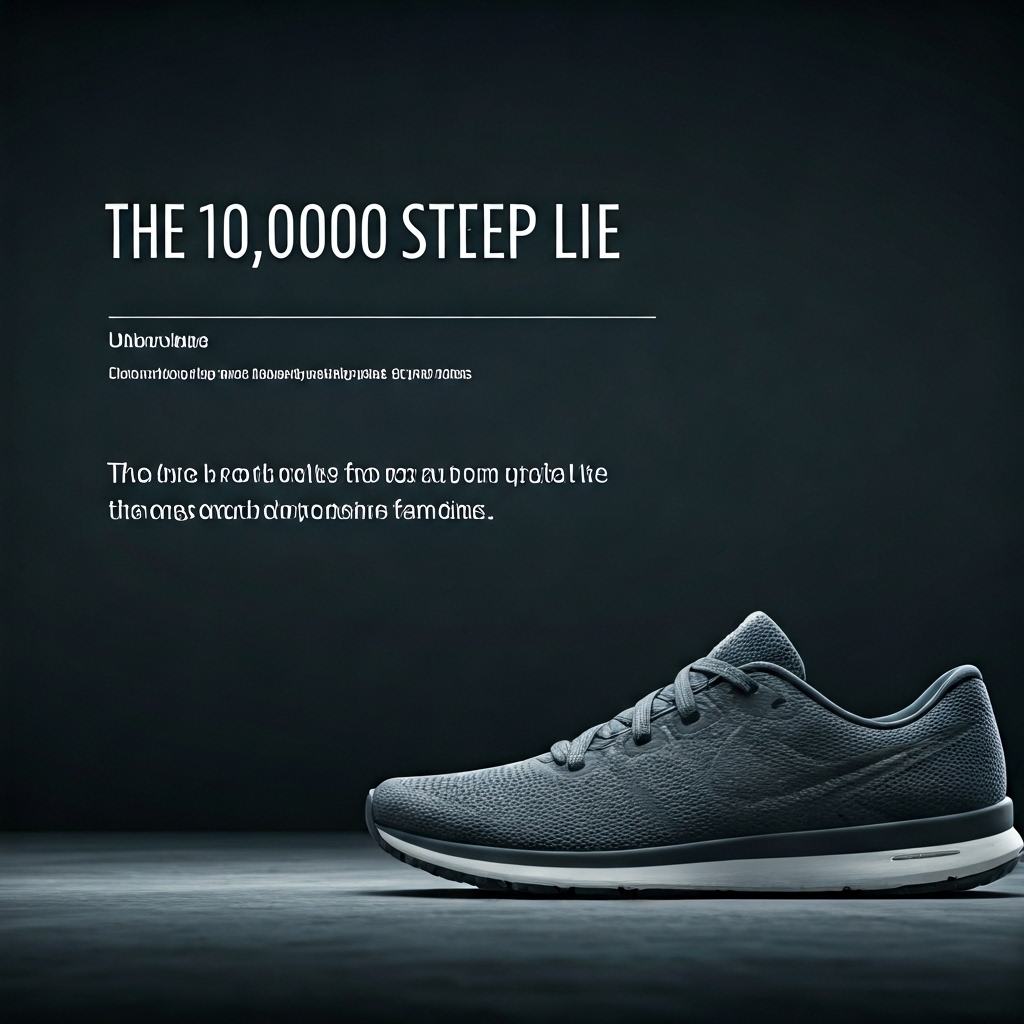
The 10,000 Step Lie

A health brief exposing the truth behind fitness trackers. The curiosity comes from learning that the most famous health rule in the world wasn’t invented by a doctor.
Medical reviews confirm that the “10,000 steps” target was originally just a 1965 marketing gimmick to sell a Japanese clock.
New health data shows the actual health benefits peak around 7,500 steps, meaning millions are stressing over an artificial goal.
Fitness apps are moving away from rigid step counts toward “active minutes” to better fit normal, busy routines.

Global News

Fetal microchimerism

These cells act like a natural repair system, migrating to sites of maternal injury—such as wounds or damaged heart tissue—to promote healing, accelerate regeneration, and potentially protect against diseases.

Global News

The Language Before Words

A breakthrough summary of advanced machine learning models decoding subterranean fungal communication networks (mycorrhizal grids). The hook treats biological systems as proactive trade economies, using three sharp bullet points to expose how plant life actively negotiates resource distribution beneath the forest floor.

Global News

The Extinction of Global Warming’s Best-Case Scenario

A sharp briefing on the newly updated global climate models prepared for upcoming international policy assessments. The curiosity hinges on a striking mathematical paradox: while rapid green technology adoption has officially broken the planet’s absolute “worst-case” projection (a catastrophic 5°C spike), our lag in execution has simultaneously eliminated the “best-case” scenario of remaining safely under a 1.5°C ceiling. Peer-reviewed climate pathways have formally retired both the extreme high-emission trajectory (RCP8.5) and the ideal low-emission pathways from active scientific baselines. This structural squeeze means that while humanity has successfully warded off a runaway fossil-fueled apocalypse through modern policy, the new unavoidable baseline for our planetary trajectory has officially risen to a 1.7°C temperature overshoot. Global infrastructure strategies must pivot away from open-ended preventative modeling toward aggressive, fixed-line adaptation—planning for a highly predictable, locked-in window of warming rather than a broad spectrum of extremes.

Global News

The Muscle That Thinks

A sophisticated look at the cognitive impact of myokines—signaling proteins released by skeletal muscle during exertion that directly cross the blood-brain barrier. The hook subverts typical fitness advice by framing muscle movement as a direct chemical driver of mood and mental clarity.

Global News

The $100 Plastic Record

A dry, data-driven analysis of the physical media market’s strange defiance of digital streaming convenience. The hook highlights the economic friction of consumers willingly paying premium prices for analogue constraints. It finishes with a sharp, two-sentence verdict on the sustainability of the vinyl industry and the signature “Stream it or Skip it” indicator.