



Global News

Quick energy hack called Nappuccino

a popular energy hack that combines consuming a dose of caffeine with immediately taking a short 15-to-20-minute power nap. Instead of choosing between a quick nap or a cup of coffee to beat the afternoon slump, the napuccino pairs both to exploit a quirk in human brain chemistry for a double boost of alertness.

Global News

The 10,000 Step Lie

A health brief exposing the truth behind fitness trackers. The curiosity comes from learning that the most famous health rule in the world wasn’t invented by a doctor.
Medical reviews confirm that the “10,000 steps” target was originally just a 1965 marketing gimmick to sell a Japanese clock.
New health data shows the actual health benefits peak around 7,500 steps, meaning millions are stressing over an artificial goal.
Fitness apps are moving away from rigid step counts toward “active minutes” to better fit normal, busy routines.

Global News

Fetal microchimerism

These cells act like a natural repair system, migrating to sites of maternal injury—such as wounds or damaged heart tissue—to promote healing, accelerate regeneration, and potentially protect against diseases.

LifestyleWellness

The Cold Weather Hunger

An insight into office temperature struggles. The curiosity targets why sitting in a freezing, air-conditioned office all day makes you constantly want to snack on junk food, explaining how a cold room tricks your body into thinking it needs to build fat layers to stay warm.

EntertainmentLifestyle

The Playlist That Thinks

A witty review of algorithmic focus audio and binaural beats engineered to mechanically induce cognitive “deep work”. The piece explores the bizarre trend of office workers outsourcing their mental flow to synthesized sound waves rather than traditional music, ending with your signature “Stream it or Skip it” indicator.

Lifestyle

The Weekend Sleep Trap

The curiosity centers on an unexpected biological truth: sleeping in on Saturday morning to “catch up” on sleep actually causes severe Sunday-night insomnia. It details the circadian mechanics of how shifting your sleep midpoint by just two hours completely resets your brain’s clock, throwing you into a state of metabolic confusion by Monday morning.

Wellness

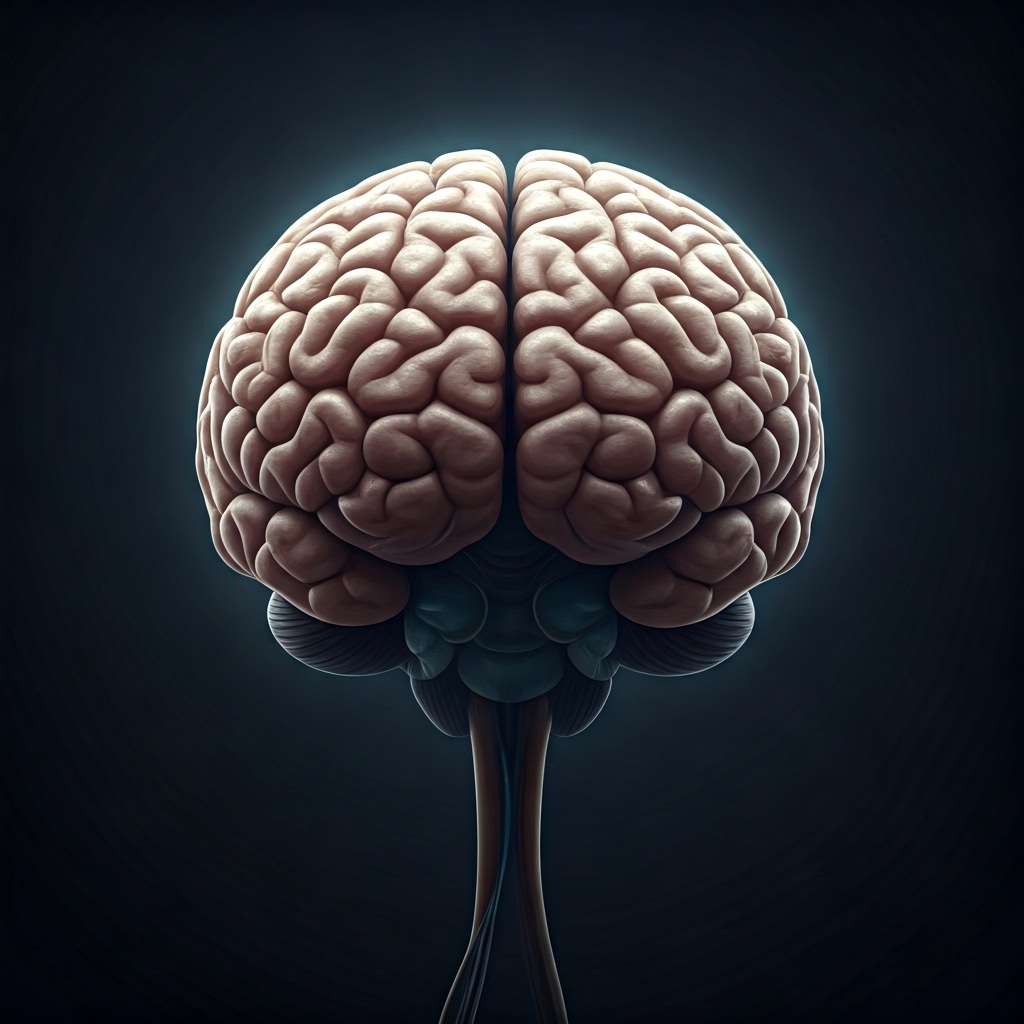
The Brain’s Nightly Delete Key

An exploration of targeted memory reactivation during deep sleep cycles. The hook invites curiosity about our lack of control over internal mental editing. It details the precise neurological trade-offs that occur when the brain aggressively prunes daily neural connections to preserve critical long-term information.